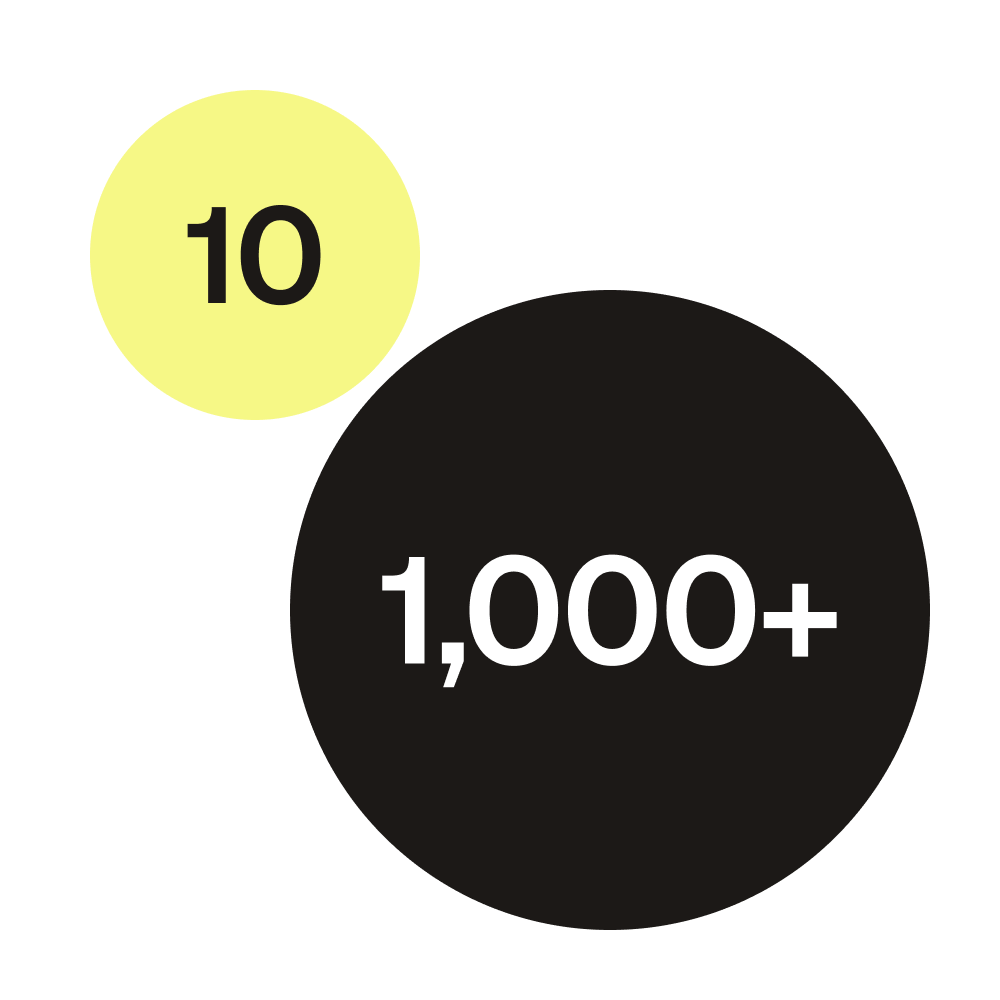
Volume, not revenue
A high-end binocular store might ship five orders a day and still be a big business. These levels are about how many orders you process, because volume is what breaks systems.
The three levels
Level 1 (1 to 50 a day): correctness
One storefront, one warehouse, simple fulfillment. Problems can still be solved one order at a time.
- Reliable order, payment, inventory and fulfillment workflows
- Basic logging, error tracking and backups
- Skip microservices and heavy automation
Level 2 (51 to 500): automation
More channels, regional storefronts, B2B portals and POS feeding one backend. Manual handoffs become bottlenecks.
- Automate routing, inventory sync, address checks and tracking
- Background jobs and webhooks between systems
- Safe retries, monitoring and exception queues
Level 3 (500+ a day): recovery
Thousands of orders across warehouses, payment providers and systems at once. Small failures add up fast.
- Retries that never create duplicate payments or orders
- Queue orders while an integration is down
- An action queue for orders that need a person
Keep some things manual
Automation isn't the goal everywhere. B2B wholesale orders with negotiated pricing and approvals, custom products, and high-ticket orders that need fraud checks all benefit from human judgment. Automate the repetitive work and keep people where they add value.
Designing for failure at 1,000+ orders a day
At high volume, a warehouse goes down, an API hits a rate limit, a webhook arrives late. If a warehouse API is down, new orders shouldn't keep hammering it. The system should queue them, track the failures and resume when it's back.
For high-volume stores we build an action queue. Instead of staff searching orders for problems, they get a list of the orders that need attention: failed API calls, address validation issues, inventory sync errors.
The stack behind our 1,000+ orders a day stores
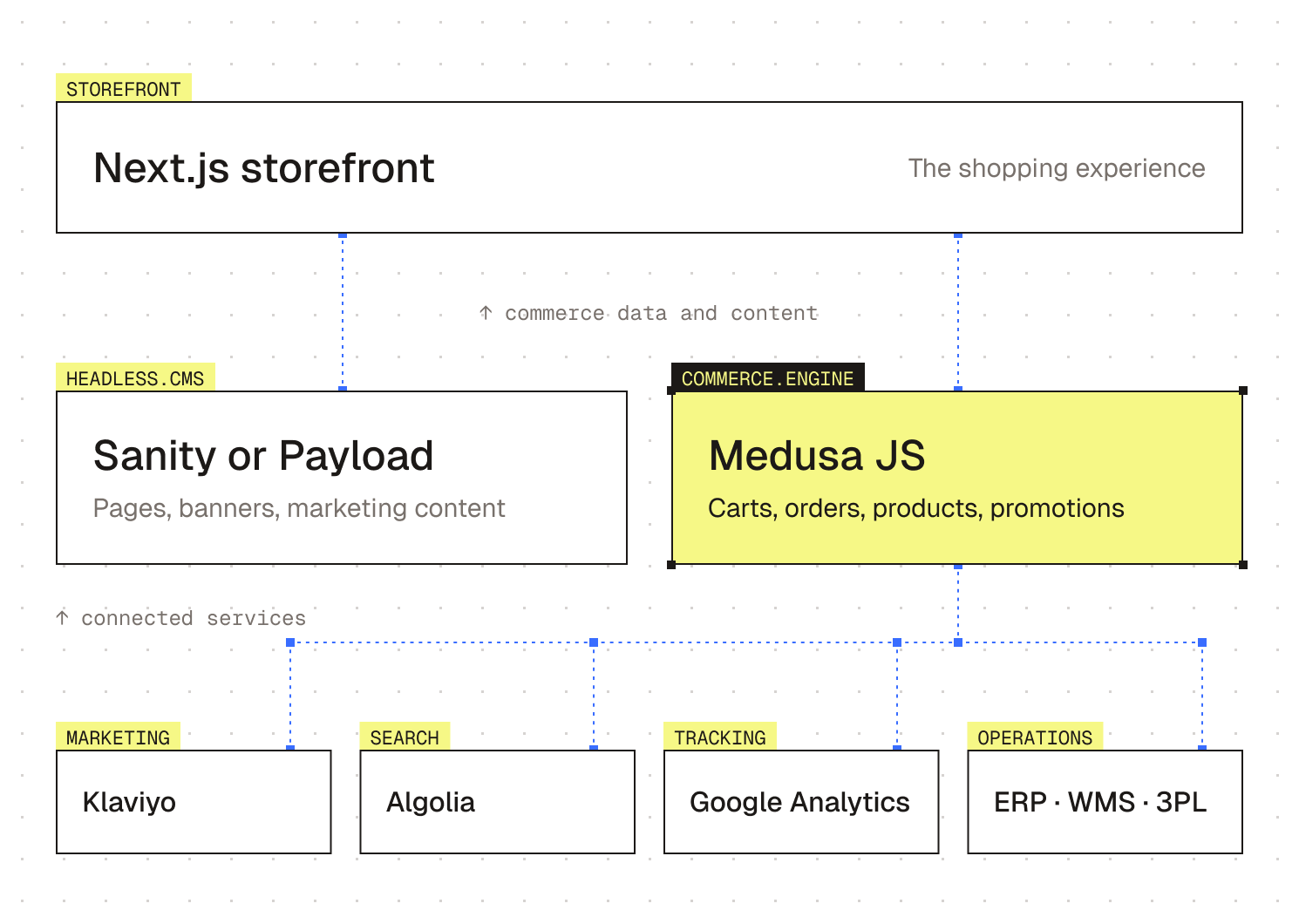
These stores don't run on Shopify. The stack is composable, so each part does one job and you add only the services your business needs.
The stack in 60 seconds
A quick walkthrough of how Medusa, a headless CMS and a Next.js storefront fit together, and why teams build the stack they need instead of fitting into one ecosystem.
Frequently asked questions
When should a store move off Shopify?
When working around the platform costs more than it saves: several channels and regions on one backend, B2B pricing and approvals, or integrations that need retries and recovery. Volume alone isn't the trigger.
Do I need microservices for a small store?
No. At low volume, spend that budget on a solid foundation: correct workflows, logging and backups on Medusa's core features and Medusa Cloud.
Can Medusa handle 1,000+ orders a day?
Yes. We run Medusa stores at that volume, with background workers, safe retries and an action queue for exceptions.
What is an action queue?
A list of orders that need a person, like failed API calls, address problems or inventory sync errors, so staff fix exceptions instead of searching for them.



 Official Medusa JS Experts